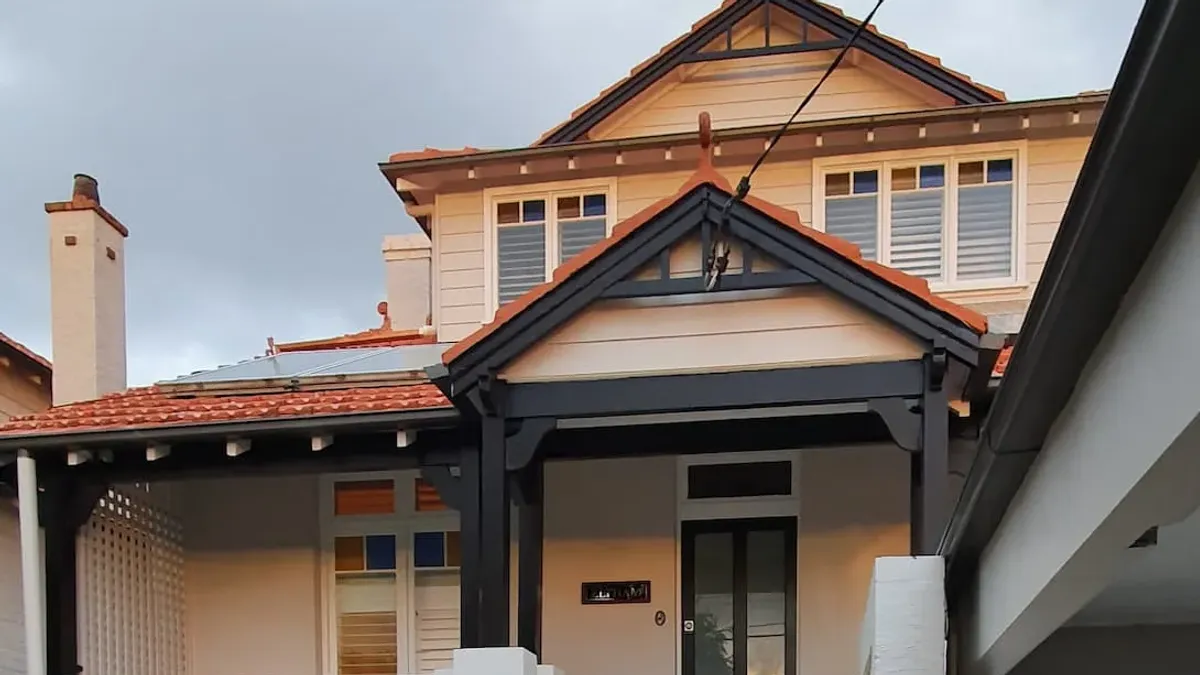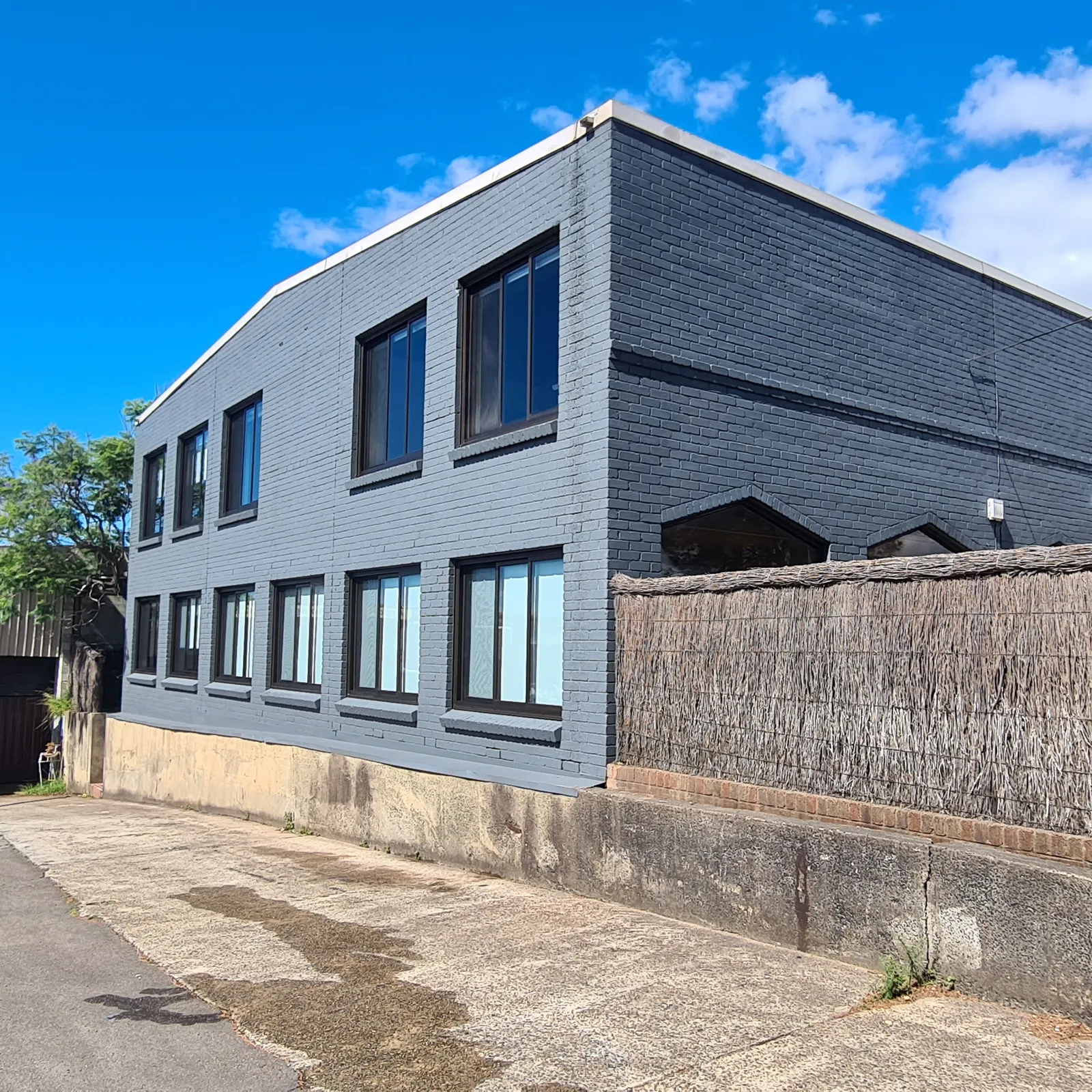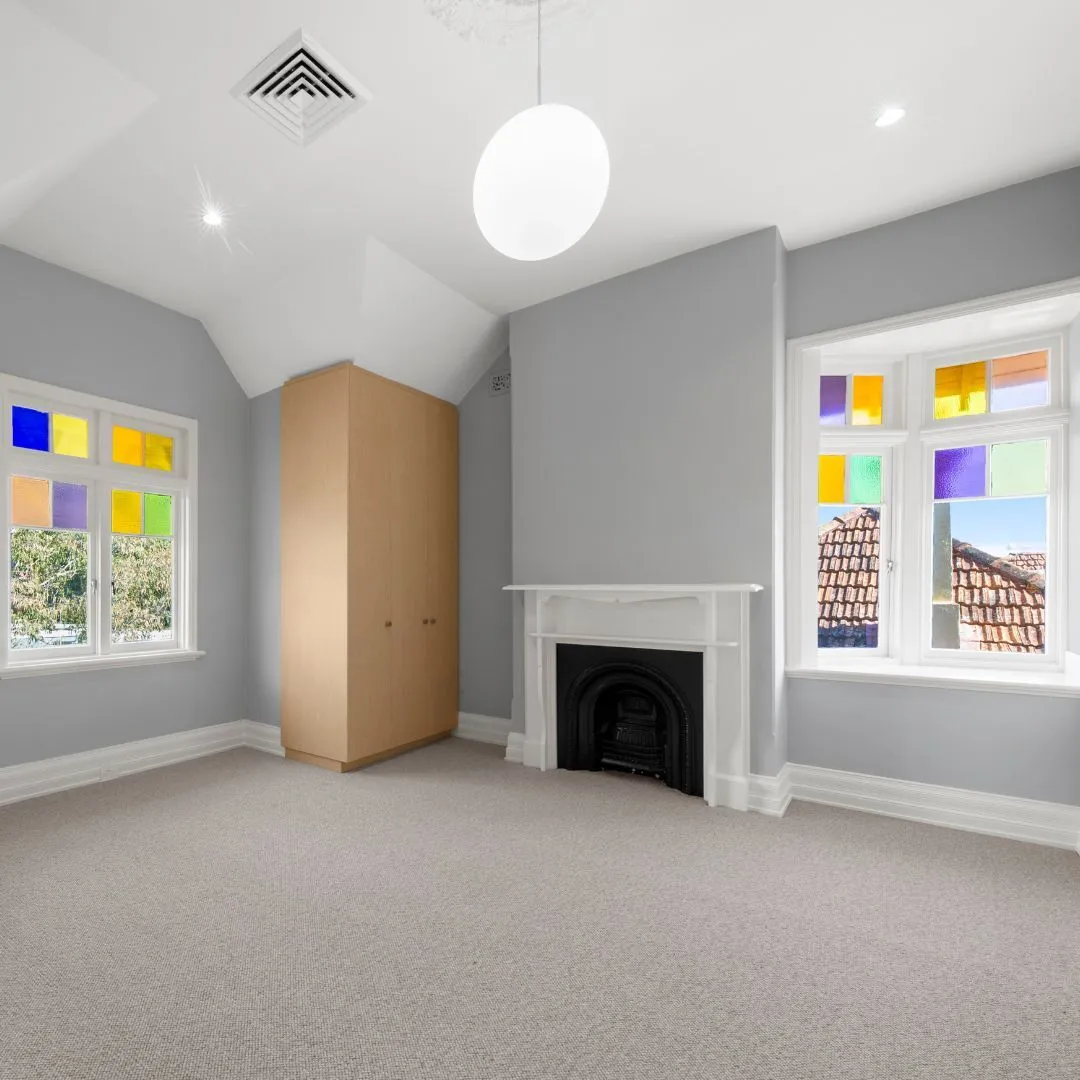
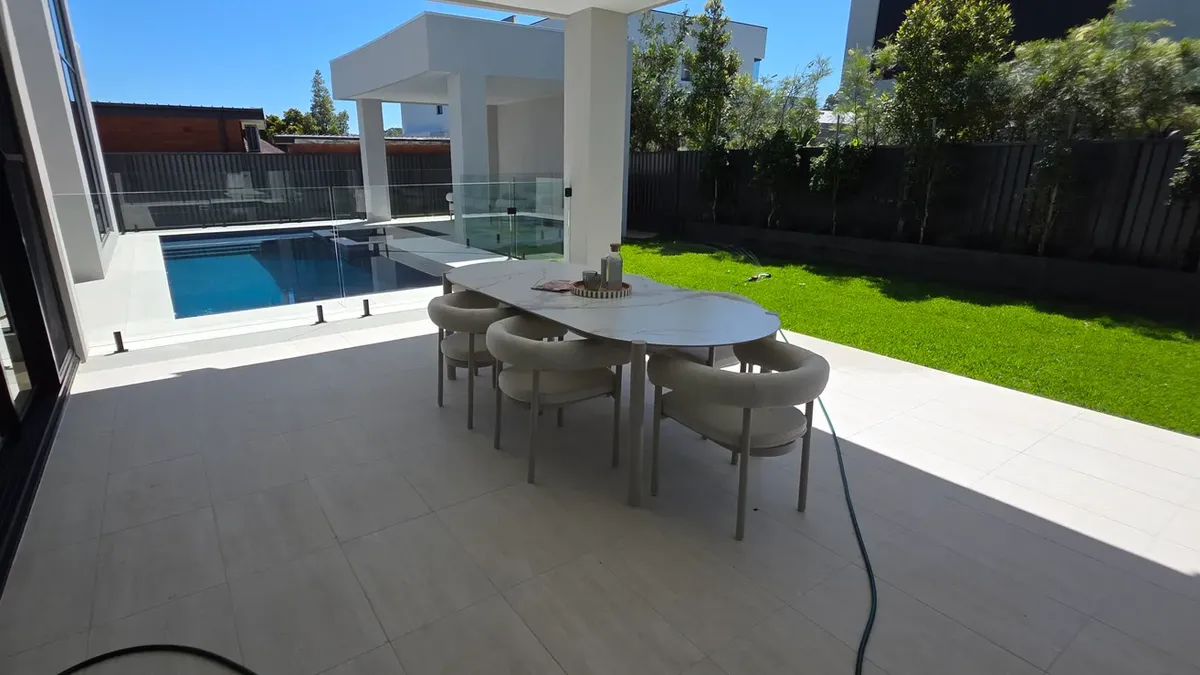
When you bring the outdoor furniture out for summer, the surrounding paintwork often comes into sharper focus. The fence behind the table looks faded. The courtyard wall has marks around the pot plants. The back door and pergola posts are showing wear.
Refreshing these surfaces can make an outdoor area feel more cared for without changing its layout or replacing everything in it.
October is a useful time to assess the work, especially if you want the space ready for visitors later in the year. Start by identifying which surfaces need cleaning, which need coating and which need repair.
1. Look at the area as a whole
Stand where you normally sit or entertain and take in the main surfaces around you.
Check:
- Courtyard and boundary walls.
- Timber fences and gates.
- Pergola posts and beams.
- Verandah ceilings and trim.
- Exterior doors and window frames.
- Painted railings.
- Decking and timber steps.
The most noticeable surface is not always the largest. A worn door, patchy fence or peeling post beside the seating area can draw more attention than a wall further away.
Use that view to prioritise the work. If the budget is limited, identify the surfaces that will make the biggest difference to the space you actually use.
2. Separate cleaning from repainting
Dirt, cobwebs and marks do not always mean a surface needs repainting.
Where the existing coating is sound, suitable cleaning may improve its appearance enough to postpone further work. Peeling, flaking or exposed material needs a different approach.
Before cleaning, consider the condition of the surface. Fragile coatings, damaged timber and openings around doors or windows need care. Aggressive pressure washing can create extra work if it damages the substrate or forces water into places it should not reach.
Once the surface is clean, it is easier to assess whether the old finish can remain or needs further preparation.
3. Choose the coating for the surface
An outdoor area can contain several materials, each with different requirements.
Painted timber needs a system compatible with the timber and any sound existing coating.
Rendered or masonry walls need appropriate preparation for their condition, including treatment of loose paint or repaired areas where necessary.
Metal gates and railings need the type of metal, corrosion and existing finish considered before a primer and topcoat are chosen.
Decking needs a coating intended for a walked-on surface. An exterior wall paint should not be treated as a substitute for a suitable deck finish.
For exposed timber, the choice between an oil, stain or paint also affects the appearance. Oils and semi-transparent stains can retain more of the visible grain, while opaque finishes provide a more solid colour. Compatibility with the existing coating still matters; Cabot’s preparation guidance sets out different requirements for bare, previously coated and weathered timber.
Confirm the proposed products and preparation before work begins.
4. Address repairs before coating
A fresh finish will not make a loose railing secure or repair a deteriorated pergola post.
Check for soft timber, loose components, persistent damp and corrosion before treating the project as a cosmetic refresh. If repair work is needed, establish who will complete it and how it affects the painting schedule.
This is particularly useful around steps, gates and posts, where everyday use can expose problems that are easy to overlook.
5. Test colours beside the existing materials
Outdoor colours need to work with the surfaces you are keeping.
Consider paving, brickwork, decking, roof colours and the view through adjoining windows. A colour that looks good on its own may feel out of place beside warm stone or red brick.
Test samples in the actual area and look at them in both sun and shade. If the courtyard connects directly to a living room, check the colour from indoors as well.
A coordinated palette does not require every surface to match. You can keep walls quieter and use a gate or door as an accent, provided the colours work together.
6. Allow time before the area is used again
The final coat is not always the point when furniture, pots and regular foot traffic can return.
Drying and curing requirements vary by product and conditions. Deck coatings can have separate times for recoating, walking on the surface and replacing furniture. For example, one Cabot’s deck stain specification allows walking before furniture can be returned.
Ask for the requirements of the actual coating being used. If you have a barbecue or gathering planned, work backwards from the date the space needs to be usable.
Refresh your outdoor space before summer
BrushUp Painting can assess the exterior walls, fences and trim around your home and discuss which work belongs in the painting scope.
See our residential painting services and exterior painting services, or call 0413 655 514 to arrange a quote.