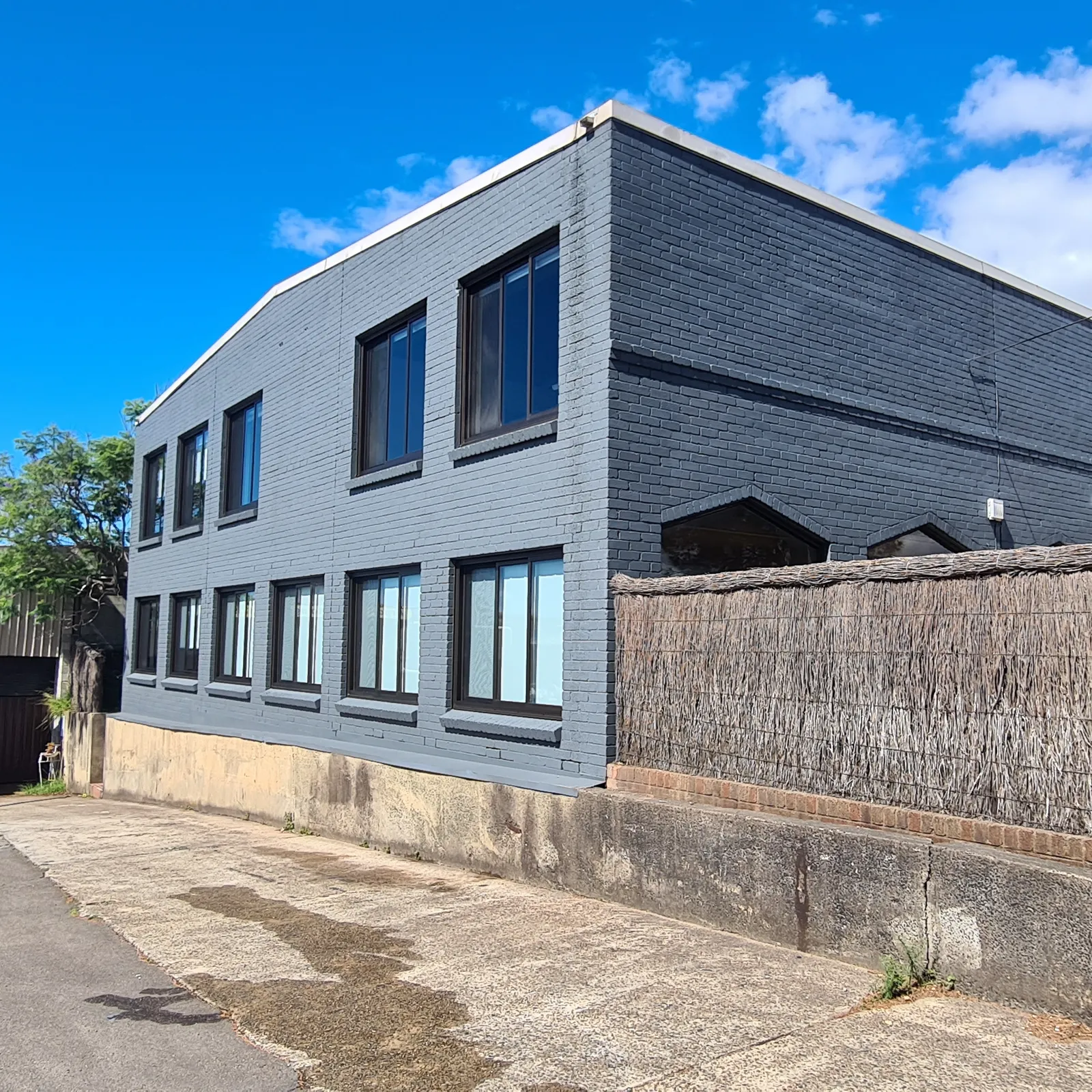
Painting brick can change the look of a Sydney home more than almost any other job. A dated red or brown face brick house can look clean and current within a week. But painted brick is close to permanent, and done badly it peels within a couple of summers.
This guide covers when painting brick makes sense, how it should be prepared, the Dulux products we use on each kind of brick surface, and what it costs. It applies to house exteriors, garden walls, fireplaces and exposed brick inside.
Should you paint your brick?
It usually makes sense when:
- The brick is sound but the colour is dated, which is common on post-war and Interwar homes in suburbs like Kingsford and Maroubra.
- An extension or repair has left two brick colours that do not match.
- The brick is stained or patchy and cleaning has not fixed it.
- It was painted years ago and is now peeling, so it needs repainting either way.
It is usually better left alone when:
- The face brick is in good condition and suits the house.
- The house is in a heritage conservation area or is heritage listed (see below).
- You do not want to repaint it in future. Unpainted brick needs almost no upkeep. Painted brick needs a repaint every so often, like any painted wall.
The point to take seriously is that painting brick is very hard to undo. Paint gets into the texture of the brick and the mortar, and removing it later is slow, expensive and can damage the surface. Decide on the brick first and the colour second.
Check the rules before you commit
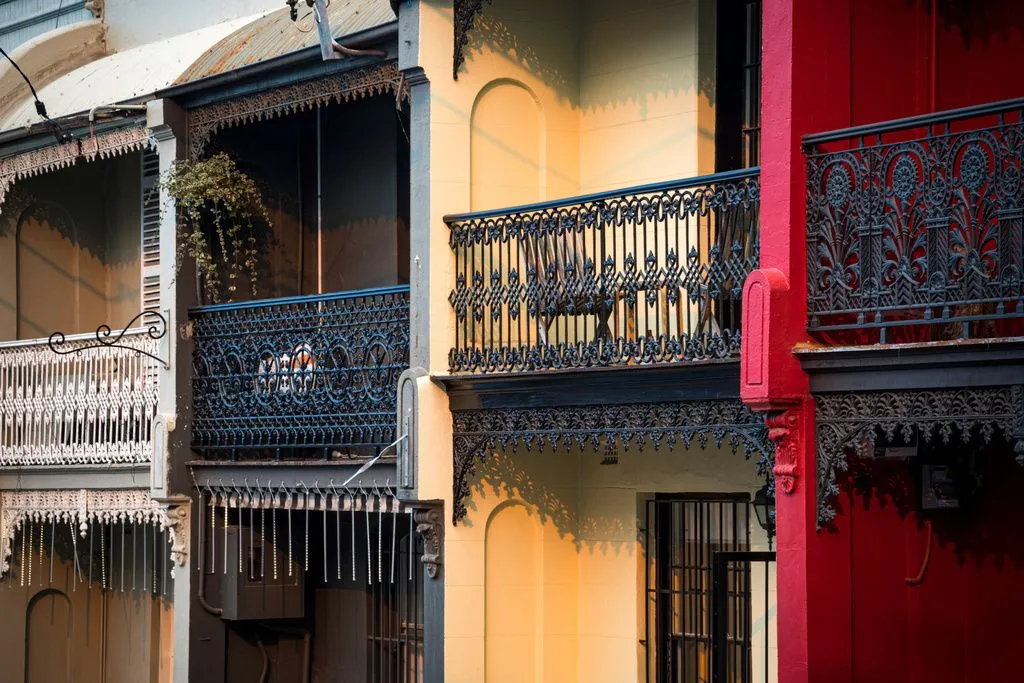
If your home is in a heritage conservation area, painting brick that has never been painted is the change councils are most likely to object to. Much of Paddington, Woollahra and parts of the inner city fall into this category. Get written advice from your council before any paint goes on. Our post on painting a heritage terrace explains how the rules work.
If you own a unit or a townhouse, the outside of the building is usually common property, so the owners corporation needs to approve it. On a semi, it is worth talking to next door first. One painted half next to one face brick half rarely looks right.
How brick is prepared
Almost every painted brick failure we are called to fix comes back to preparation. These are the steps, in order.
1. Clean it
The brick is washed to remove dirt, moss, mould and, near the coast, salt. Paint applied over any of these will not bond to the brick. We use a pressure washer at a setting that cleans the surface without eroding soft brick or mortar, then let the wall dry properly before anything else happens. Brick holds water, so that means at least a day or two of dry weather.
2. Repair the mortar and cracks
Loose or crumbling mortar is raked out and repointed, and cracks are filled. Gaps around window and door frames are sealed. Repairs need time to cure before they are primed, so they are done first, not on the morning of painting.
3. Deal with efflorescence and damp
White, powdery salt on brick is called efflorescence. It is water moving through the brick and leaving salt behind as it dries. Painting over it fails, because the salt keeps coming and pushes the paint off. The salt is brushed and washed off, and if there is an obvious cause, such as a broken downpipe, a garden bed against the wall or missing capping on a garden wall, it needs fixing before the wall is painted. If the cause needs a plumber or builder, we will tell you.
4. Prime
Brick is porous and uneven in how it absorbs paint. A primer sealer evens that out, helps the top coats bond and stops them soaking in patchily. Skipping the primer is the most common shortcut on cheap brick jobs, and the most common reason painted brick looks blotchy and peels early.
The Dulux products we use on brick
As a Dulux Accredited Painter, these are the systems we use on brick. The right one depends on where the brick is and what it has to put up with.
| Surface | Primer | Top coats | Usual finish |
|---|---|---|---|
| House exterior, face brick | Dulux 1 Step Prep | Dulux Weathershield, two coats | Low sheen |
| Bagged or rendered brick | Dulux 1 Step Prep | Dulux Weathershield, or a Dulux AcraTex coating for a textured finish | Low sheen or matt |
| Garden and boundary walls | Dulux 1 Step Prep | Dulux Weathershield, two coats | Low sheen |
| Interior exposed brick | Dulux 1 Step Prep as a sealer | Dulux Wash&Wear | Matt or low sheen |
| Fireplace surround | Dulux 1 Step Prep | Dulux Wash&Wear | Matt or low sheen |
Two things matter more than the brand. First, brick needs a water-based acrylic system that lets moisture escape. Oil-based paints and enamels trap moisture in the brick and blister. Second, low sheen is the right finish for most brick. Gloss shows every bump in the brick face, while a flat matt can mark more easily outside.
The inside of a firebox is a different case. It gets far hotter than any wall paint can handle, so it is either left unpainted or coated with a heat-resistant paint made for that purpose. The surround and the chimney breast take ordinary interior paint.
How the paint goes on
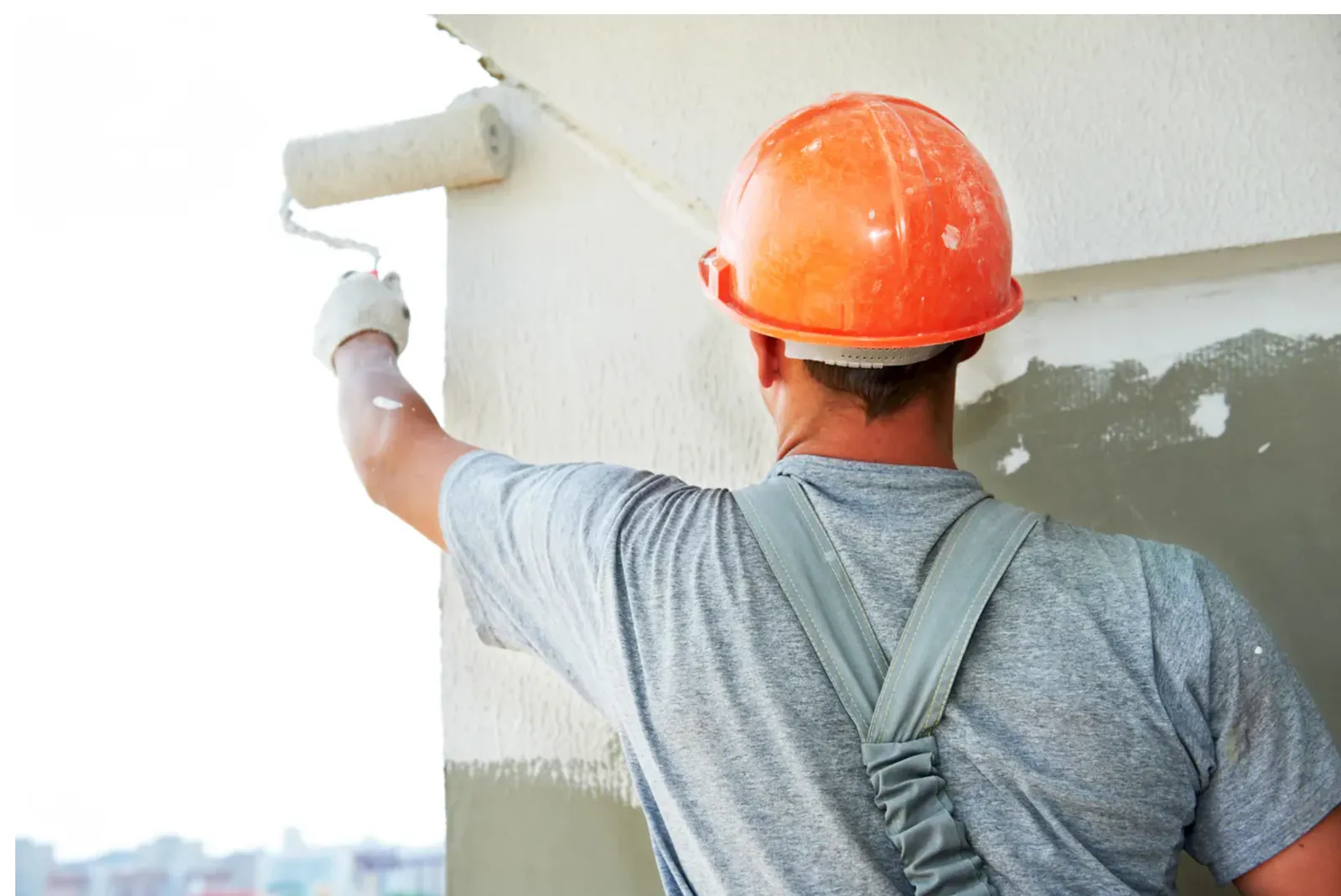
Brick has deep mortar joints and a rough face, and a roller alone leaves pinholes and bare joints. We brush the joints first, then roll the face with a long-nap roller that reaches into the texture. On large walls we may spray and then back-roll, which works the paint into the surface.
Two full top coats go over the primer. The second coat is checked in low, raking light, which shows up any missed joints. The weather matters as much as the method: paint should not go on in full afternoon sun, in cold weather, or when rain is due before it has dried. That is why exterior dates move with the forecast, though the price does not.
Brick inside the house
Exposed brick walls and fireplaces are common in Interwar homes and in warehouse conversions. Painting them can brighten a dark room, but the same warning applies: once interior brick is painted, it is very hard to take back to raw brick.
Interior brick sheds dust, so it is vacuumed and wiped down, then sealed with a primer before the top coats. Inside, we use low-odour paint so the room can be used again quickly. Old fireplaces often have soot staining that needs cleaning and a stain-blocking primer, or it bleeds through the new paint.
Garden walls and fences
Brick garden walls take water from the top and from the soil at the bottom, which makes them the hardest brick surface to keep painted. If a garden wall has no capping, or the capping is cracked, water gets into the core of the wall and pushes the paint off from behind. The capping is repaired or sealed first, and garden beds are kept off the base of the wall where possible. Painted garden walls then benefit from a check every year or so, so small failures are touched up before they spread.
Painting, staining or leaving the brick bare
| Painting | Masonry stain | Leaving it bare | |
|---|---|---|---|
| Look | Solid, even colour | Changes the colour but keeps the brick texture visible | Original brick |
| Can it be undone? | Very hard to reverse | Very hard to reverse | Nothing to undo |
| Upkeep | Repaint every so often | Less than paint | Almost none |
| Best for | Dated or mismatched brick on a sound wall | A softer change that still reads as brick | Good brick that suits the house |
Colours that work on painted brick
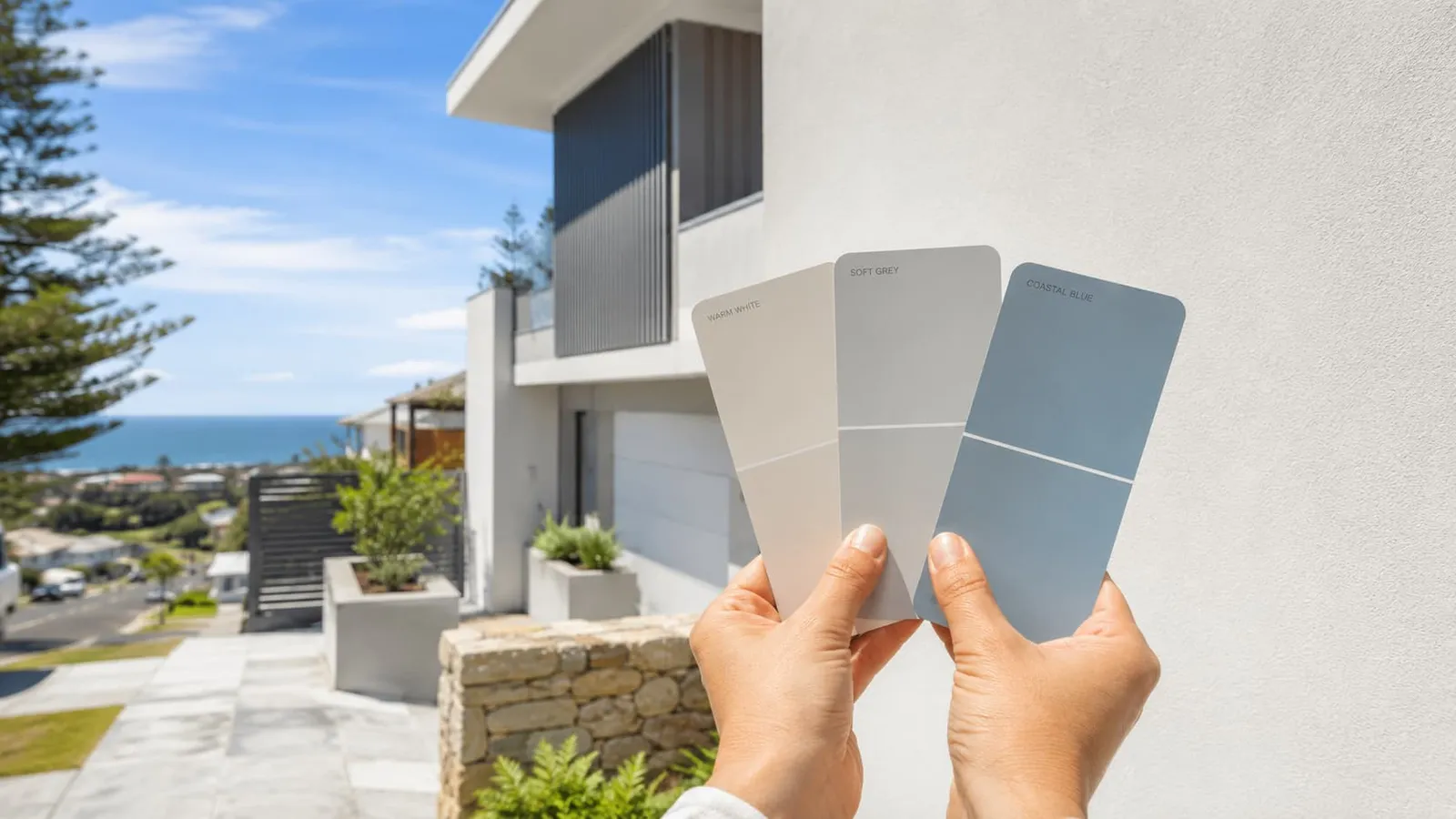
Off-whites and warm whites are the most common choice, and they suit most post-war and Interwar homes. Mid greys and soft greens work well where a white would be too bright. Very dark colours look sharp, but on north and west-facing walls they fade faster and heat the wall up, so they are better kept for trims, doors or sheltered walls.
For older homes, Dulux's heritage colours are a good place to start. Whatever you choose, look at sample patches on the brick itself, in morning and afternoon light, before deciding. Colours read very differently on rough brick than on a paint card.
What it costs
Every brick job is priced on site, because the cost depends on the size of the house, the height and access, how much repointing is needed, and whether the brick has been painted before. As a rough guide, a full house exterior starts from $4,000. Going from red brick to a light colour can need an extra coat, which the quote will show. Our house painting cost guide covers what moves the price in more detail.
How long it lasts, and the upkeep
Well-prepared painted brick with a good system lasts many years. How many depends mostly on the prep, the coating and the exposure. A sheltered wall in Randwick will outlast a wall facing the ocean in Dover Heights. A gentle wash every year or so and early touch-ups on any small failures add years before a full repaint is needed.
Get a quote
If you are weighing up whether to paint your brick, we can look at it and tell you honestly whether it is a good candidate, what the prep involves, and what it will cost. The quote is free and the price is fixed. See our exterior painting page for how an exterior job runs.